Why Is Veteran Transition More Than Finding a Job?
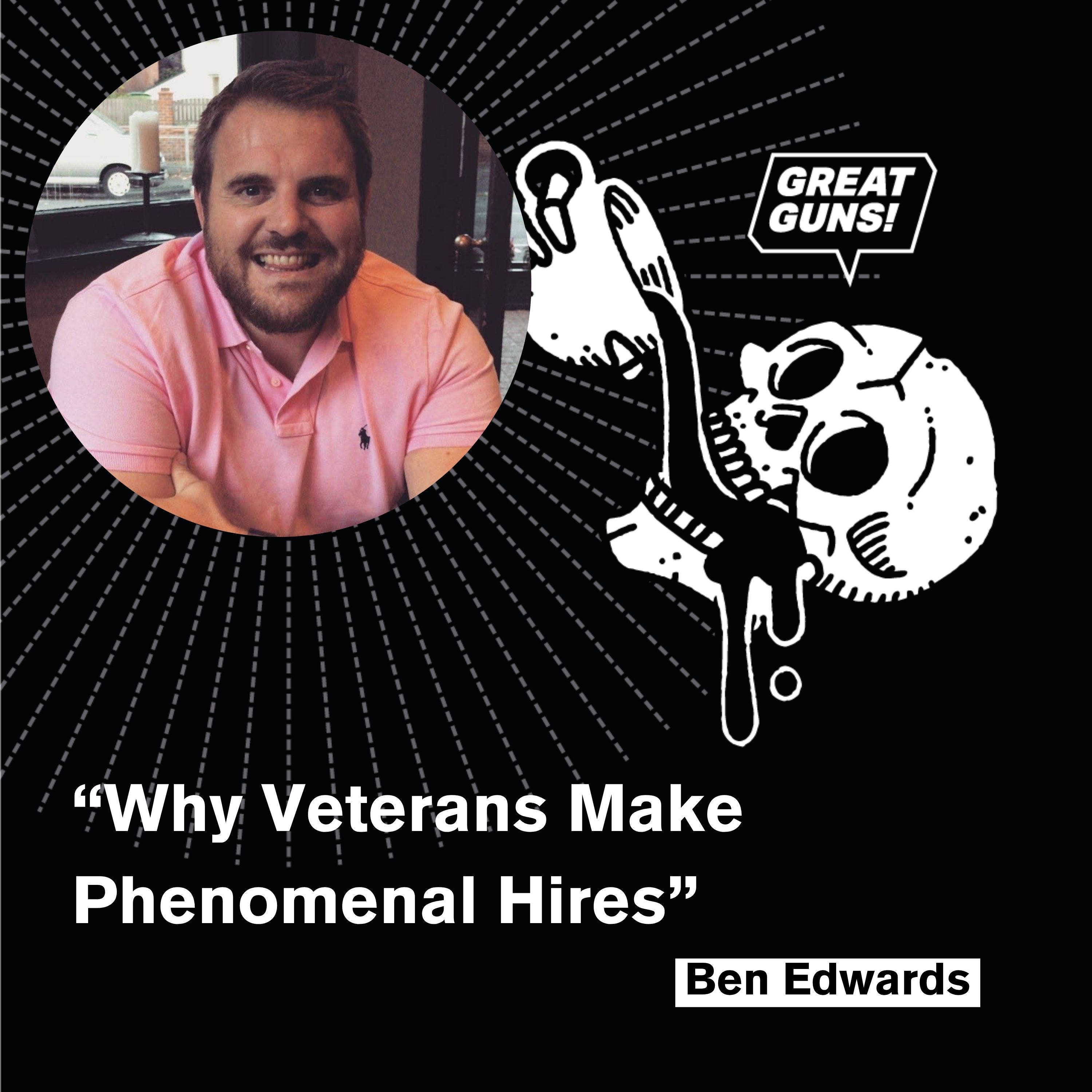
What Royal Navy veteran and mentor Ben Edwards teaches us about identity, preparation and finding the right civilian environment
Veteran transition is not complete when somebody signs an employment contract.
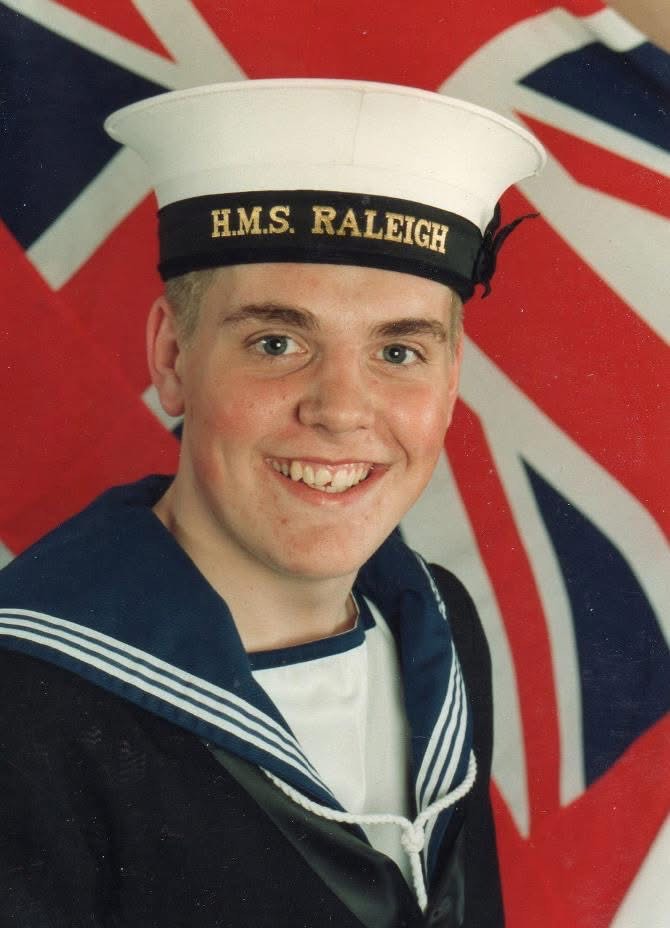
Ben Edwards joined the Royal Navy at 16, later served in the Metropolitan Police and then built a senior career in corporate security. For nearly a decade, he has also mentored service leavers through CV writing, interviews, salary negotiation and the less visible challenge of settling into civilian work.
His experience exposes a weakness in the usual transition conversation. We focus heavily on securing the first role, but often overlook identity, belonging, commercial adjustment and the support needed after day one.
Why Can Leaving Service Feel So Isolating?
Leaving service can feel isolating because the individual loses a complete environment, not merely an employer.
Military life provides shared values, language, humour, expectations and a recognised place within the group. Even short service can be deeply formative when somebody joins young. Ben had spent his transition into adulthood inside the Navy, so moving into civilian life meant learning an unfamiliar culture.
That experience is often described as institutionalisation, a word that can sound negative. A more useful interpretation is cultural adaptation. Veterans have learned one highly distinctive system and must now learn another.
The problem is not that a veteran has been shaped by service. The problem comes when neither the veteran nor the employer acknowledges that adjustment takes time.
Is the First Civilian Job the Final Destination?
No. The first civilian job should provide a stable bridge, useful learning and room to grow; it does not have to be the perfect lifelong role.
High-achieving service leavers can become frustrated when their first position does not reflect the responsibility or status they held in uniform. Yet commercial credibility takes time to establish, just as military credibility once did.
Ben recommends researching the organisation, manager and working environment carefully. A supportive manager who invests in development may be more valuable than an impressive title in a poor culture.
The first move should create momentum, confidence and commercial evidence. It can lead sideways or upwards once you better understand the landscape.
Why Should Transition Planning Begin Early?
Transition planning should begin early because relationships, research and self-knowledge cannot be created responsibly in the final few weeks.
Ben regularly sees people wait until the last six months before exploring industries or building a network. That turns a major life decision into a crisis. Early conversations allow you to test assumptions, discover unfamiliar careers and change direction without panic.
Planning does not mean choosing one rigid path. It means creating options. Speak to people doing work that interests you. Learn how an industry recruits. Understand expected salaries and identify gaps that genuinely require training.
A strong plan reduces risk, but it should remain flexible enough to evolve with experience.
Are Veterans Limited to Security and Similar Roles?
Veterans are not limited to work that resembles their military trade.
Ben highlights careers in technology, cyber security, HR, training, sales, account management, operations and many other fields. The key is to look beneath rank and job title at transferable capability: leadership, adaptability, learning, communication, planning and supporting teams.
Familiar roles can feel safer, but repeating a military task in a civilian setting may not provide the meaning or challenge you expect. Transition can be an opportunity to recreate yourself rather than simply reproduce your last posting.
Do not let a recruiter, resettlement stereotype or your own comfort zone decide the limits of your civilian identity.
Why Does Mentoring Matter So Much?
Mentoring matters because it gives a service leaver context, challenge and an invested human relationship during an uncertain period.
A good mentor can explain how an industry works, identify blind spots, improve a CV and make the first months of employment feel less lonely. The mentor does not need to be a veteran, although veterans with commercial experience can provide valuable cultural translation.
Ben also warns against collecting too many conflicting opinions. Advice is subjective. Choose a small number of credible people, listen carefully and then form your own judgement.
Mentorship should strengthen your ability to decide, not replace it.
What Should Employers Understand About Veteran Talent?
Employers should understand that hiring veterans successfully requires proper recruitment, realistic role matching and continued development.
A covenant badge or public commitment is not enough. Placing somebody into an unsuitable role harms the veteran and can undermine the employer’s confidence in future military recruitment.
The strongest programmes select for aptitude and fit, prepare managers, provide sensible check-ins and recognise the adjustment without stereotyping the individual. Once veterans understand the environment and their role, their leadership, teamwork and resilience can create exceptional value.
Veterans do not need charity. They need fair access, thoughtful onboarding and the opportunity to prove themselves.
Final Thought
Transition is often presented as a translation exercise: rewrite the CV, remove the acronyms and secure an interview.
Those steps matter, but they are not the whole mission.
The deeper work is discovering where your values, strengths and curiosity belong now—and building relationships that prevent you from navigating that process alone.
Your next role does not have to recreate the authority you had in service. It should help you build a civilian life in which you can learn, contribute and belong.
Before asking, “What job can I get?”, ask a more useful question:
“What environment will help me become the person I want to be after service?”
Listen to the episode > Full Episode