How Do You Keep Purpose When the Mission Changes?
Christian Albrecht on shared purpose, explaining the WHY and carrying meaningful service into a civilian aerospace career
People can continue performing the same tasks in the same place and still feel that something fundamental has disappeared. Purpose is not created by activity alone; it comes from understanding who the work serves and why it matters.
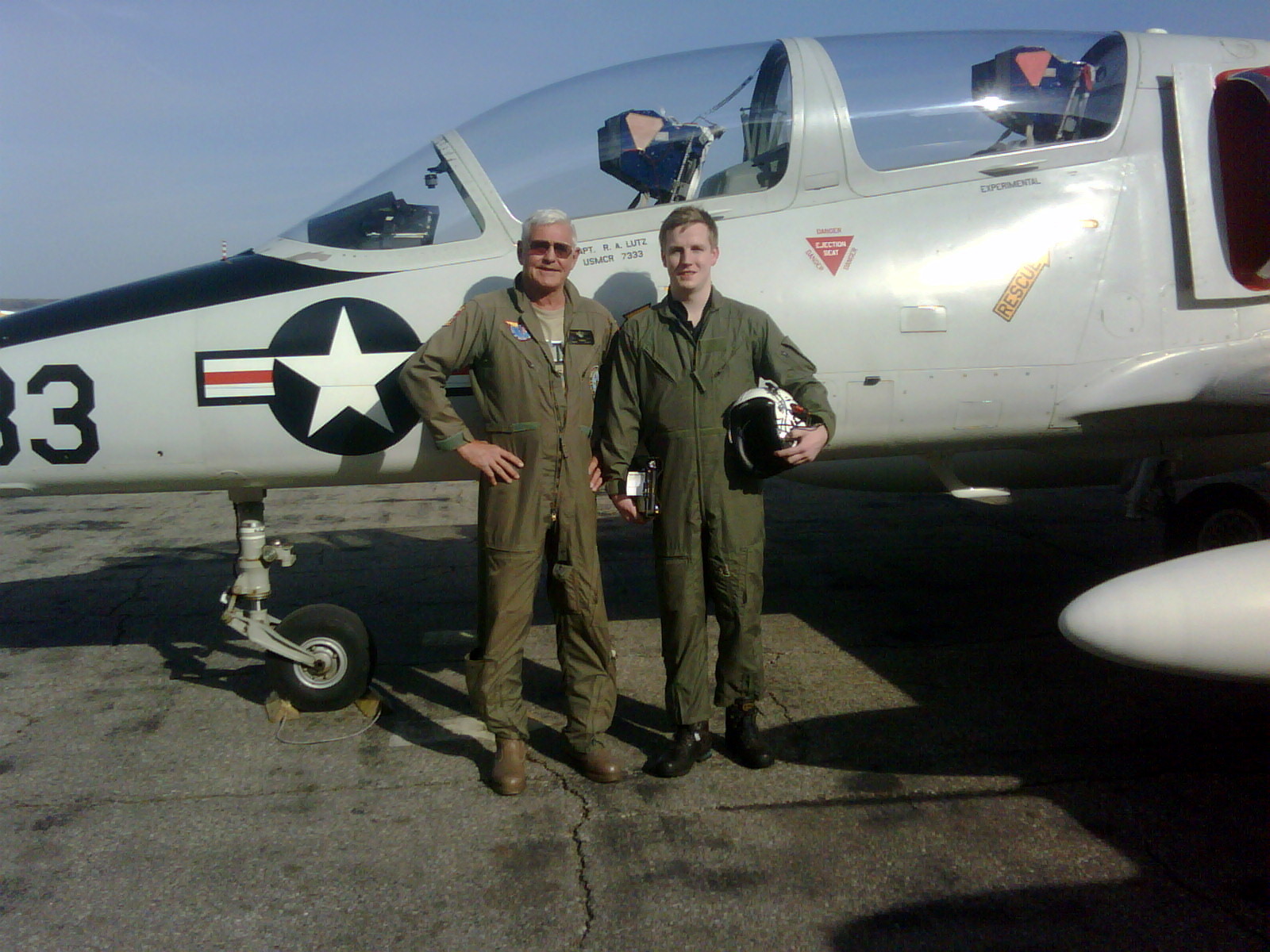
Christian Albrecht grew up in eastern Germany, trained as a mechanic on armoured vehicles and progressed through military service and officer training into helicopter engineering and leadership.
His experience in search and rescue showed him how a visible mission can unite an entire organisation. When that mission changed, he saw how quickly energy and identity could weaken unless leaders helped people reconnect their work to a meaningful outcome.
Why does a clear mission create such powerful belonging?
Because everybody can see how their contribution matters. Christian’s unit supported search-and-rescue operations around the clock. Pilots, engineers, logistics teams and support staff all understood that their standards could affect somebody’s survival.
The orange-doored helicopters were visible in the local community. Personnel could see the mission happening even when they were not on duty, strengthening pride and shared identity.
Purpose turned difficult hours and demanding standards into a contribution people could explain to themselves and their families.
What happens when the mission changes?
The work can lose meaning before anybody’s competence changes. Christian’s unit moved from direct search-and-rescue responsibility into a training role for new aircrew and aircraft.
Training remained essential, but the connection to the person waiting for rescue became less obvious. Tasks that once felt urgent could begin to feel optional or remote.
The lesson applies directly to military transition: removing the visible mission without creating a new story leaves people to decide for themselves whether they still matter.
How can leaders rebuild purpose after organisational change?
They must explain the WHY repeatedly and specifically. ‘Because these are the orders’ may produce compliance, but it does not create commitment.
Christian worked to reconnect training and maintenance with the eventual operational outcome. The instructor or technician might be several stages away from the survivor, but that survivor still depended on the quality of the work.
Leaders also need credible people across the organisation who model the standards and help the new mission become culturally real.
Why must standards remain stable during an identity change?
Because uncertainty can distract a team from the risks that have not changed. Aviation remains unforgiving whether the unit is conducting rescue missions or preparing somebody else to do so.
Christian takes pride in the fact that people were not lost or harmed under his leadership. A new purpose cannot be built by relaxing the professional standards that protect others.
For veterans, the same principle means retaining discipline, responsibility and care while allowing job title, organisation and daily routines to evolve.
“Purpose survives change when people can still see the human being at the end of their work.”
How did Christian make his own transition smoother?
He remained connected to aerospace, helicopters and defence. His civilian work with a helicopter manufacturer allowed him to apply military understanding while learning a different commercial environment.
This continuity prevented every part of his identity changing at once. He could still see how his contribution supported operators and missions further down the line.
Staying close to a former field is not the only successful route, but it can provide a bridge while a broader civilian identity develops.
What role did networking play?
A decisive one. A connection built through earlier professional engagement later alerted Christian to a suitable civilian opportunity.
He encourages service personnel to develop genuine networks throughout their careers: attend relevant events, remain interested in other people’s work and keep relationships alive without approaching them only when you need something.
Networking creates visibility and learning. It also gives the veteran a community that crosses the boundary between military and civilian life.
How can veterans identify a meaningful next direction?
Look back before looking forward. Christian suggests reviewing the important moments, people and decisions across your career to identify the common denominator.
Were you repeatedly drawn to developing people, protecting standards, solving technical problems or serving a particular community? That pattern may reveal the purpose beneath the uniform.
Then protect regular time for transition thinking. Research possibilities, speak with people doing the work and decide whether you want continuity with the old mission or a genuinely different challenge.
Final Thought
Christian Albrecht’s story demonstrates that purpose is a line connecting daily effort to a human outcome. When the line becomes invisible, leaders and individuals must redraw it.
Military transition does not demand that every veteran abandon their former world. It asks them to understand what made that world meaningful and choose where those values can serve next.
Who is at the end of your work now — and can you still see why your contribution matters to them?