Can Staying Close to the Mission Delay the Real Transition?
Craig Mayville on Marine aviation, gradual loss of purpose and why staying connected must include building something new
Some veterans experience an immediate break from service. Others move into civilian work so close to their military role that the deeper transition remains almost invisible.
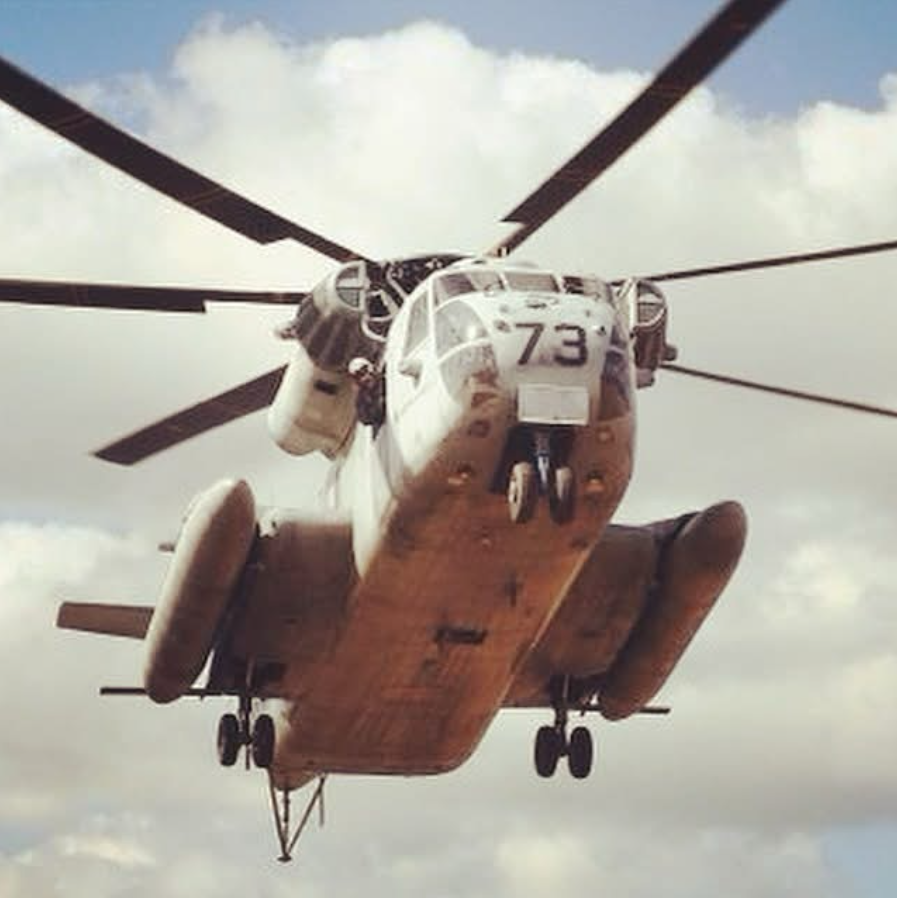
Craig Mayville served as a US Marine CH-53 crew chief and mechanic. When he left at twenty-four, he soon began civilian work on the same aircraft alongside former Marines.
It was an unusually smooth practical transition. The skills, machines, people and culture remained familiar. Years later, Craig recognised that staying close to the mission had protected him — but could not answer every question about purpose forever.
Why did leaving the Marine Corps initially feel easier for Craig?
Within months he was back around CH-53 helicopters, doing related work with people who understood the standards and language of Marine aviation.
He gained civilian freedoms such as predictable hours and overtime while retaining camaraderie and technical challenge. Very little of his identity had to change at once.
This kind of bridge can be valuable. It provides income, confidence and belonging while the veteran adapts to civilian systems.
Can an easy transition still contain hidden difficulty?
Yes. Craig describes purpose as something that can erode gradually. When there is no dramatic crisis, years may pass before somebody notices that work no longer feels connected to a larger cause.
Military aviation demanded extraordinary attention to detail because lives depended on maintenance, judgement and teamwork. A civilian environment with lower accountability can feel empty or frustrating by comparison.
The question is not whether the civilian job is respectable. It is whether the veteran has consciously built meaning beyond familiar work.
Why is military aviation community so powerful?
Trust is literal. Aircrew depend upon technicians, pilots depend upon the whole team and everybody understands that mistakes cannot simply be corrected at the roadside.
Craig recalls senior people whose competence created complete confidence. They developed less-experienced colleagues rather than treating inexperience as failure.
That combination of standards, mentorship and shared risk creates belonging that is difficult to reproduce casually.
How can veterans preserve connection without becoming trapped in the past?
Keep contact with the people who understand where you came from, but let those relationships support present growth rather than only remembering former status.
Craig advises veterans to remain connected from the beginning. A former colleague may understand a new challenge because they have already faced something similar five, ten or twenty years after leaving.
Connection becomes a bridge when it helps people discuss health, work, family and the next mission — not simply the old one.
“Staying near the old mission can soften the landing, but purpose returns when you decide what you are building now.”
What happens when civilian standards feel lower?
The veteran may become cynical, isolated or convinced that nobody else cares. Craig noticed workplaces where colleagues appeared satisfied with doing the minimum.
Military standards can remain an advantage, but they need translation. The aim is to raise performance through example, communication and mentorship rather than contempt for people who were shaped by a different environment.
Purpose grows when high standards improve a team instead of becoming a wall between the veteran and everybody else.
Why must health form part of transition?
Service-related exposures and demanding work may create consequences years later. Craig encourages veterans to document health concerns, seek appropriate support and take nutrition, training and recovery seriously.
Health difficulties became an unexpected route into greater self-awareness for him. They changed how he cared for his body and what he considered important.
A mission that destroys the person carrying it is not sustainable. Post-service purpose must include the ability to remain present for the people and work that matter.
How can a veteran identify a new mission?
Notice where frustration points towards responsibility. Craig’s concern about lost connection and inadequate support has led to conversations within his aviation community about building resources for others.
Ask what you wish had existed when you left. The answer may reveal a useful project, community or service.
Purpose is often discovered through contribution: using the expertise and relationships of the old life to solve a problem in the new one.
Final Thought
Craig Mayville’s journey complicates the idea of a single transition date. Employment can change immediately while identity continues evolving for years.
Remaining near military people and work can be protective. The deeper task is ensuring that familiarity does not postpone the creation of wider health, relationships and purpose.
If the familiar aircraft, role or community disappeared tomorrow, what part of your identity and mission would still remain?
Listen to the episode > Full Episode