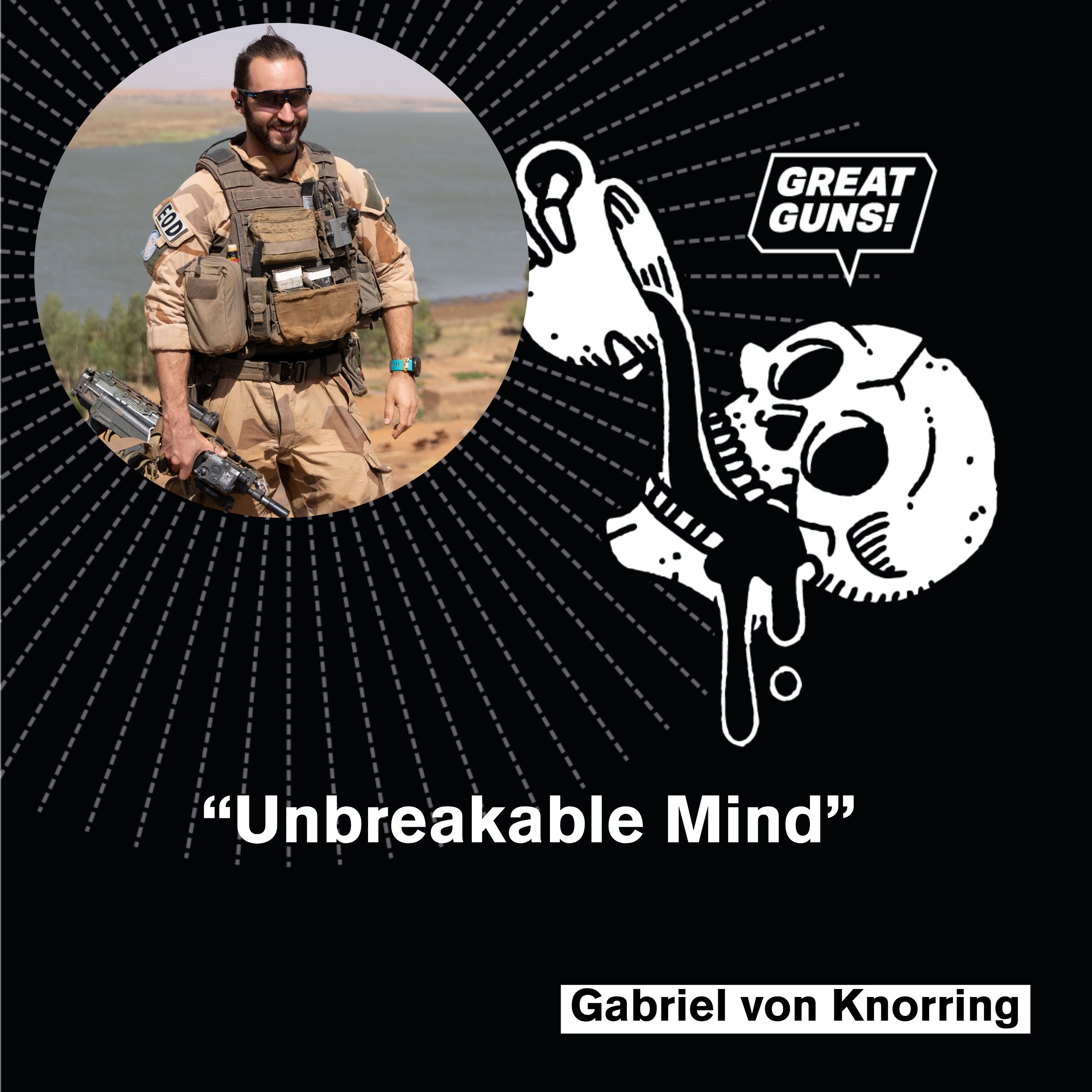
What Replaces Military Structure When Nobody Sets the Mission?
Gabriel von Knorring on self-leadership, resilient systems and rebuilding purpose after the Army stops providing the framework
The military gives people more than employment. It supplies the mission, structure, standards, team and feedback. When those disappear together, freedom can feel less like opportunity and more like chaos.
Gabriel von Knorring served in the Swedish military across reconnaissance, intelligence and explosive ordnance disposal, later working in Iraq and Ukraine. He entered civilian life believing discipline and mental strength would automatically carry him forward.
Instead, he discovered that identity and performance can drift when nobody else defines the task.
Why can civilian life feel harder than military service?
Not because it is necessarily more dangerous, but because it is less contained. Military difficulty exists inside a framework: the objective is known, the team is present and routines are reinforced by the organisation.
Civilian life presents competing roles, ambiguous priorities and near-unlimited choice. Gabriel found that what he initially called rest became years of inconsistent training, diet and direction.
The lesson was uncomfortable: institutional discipline had not automatically become self-leadership.
What is self-leadership after service?
It is the ability to create a useful structure without waiting for orders. That means deciding what matters, turning it into repeatable actions and designing for ordinary disruption rather than an imaginary perfect week.
Gabriel began drawing on EOD principles and military working patterns, keeping what was useful while discarding unnecessary rigidity.
The aim is not to militarise civilian life. It is to build a framework strong enough to support health, relationships and meaningful work.
Why should veterans build resilient systems instead of perfect routines?
Because life changes. Illness, family demands, travel and work pressure will interrupt even the best plan. A routine that only functions under ideal conditions creates repeated failure.
A resilient system includes minimum standards and a route back. If the full session is impossible, what is the smaller action that protects the habit? If sleep or nutrition slips, how will you reset without turning one disrupted day into a lost month?
Resilience is not never being knocked off course. It is knowing how to return.
How can veterans redefine failure?
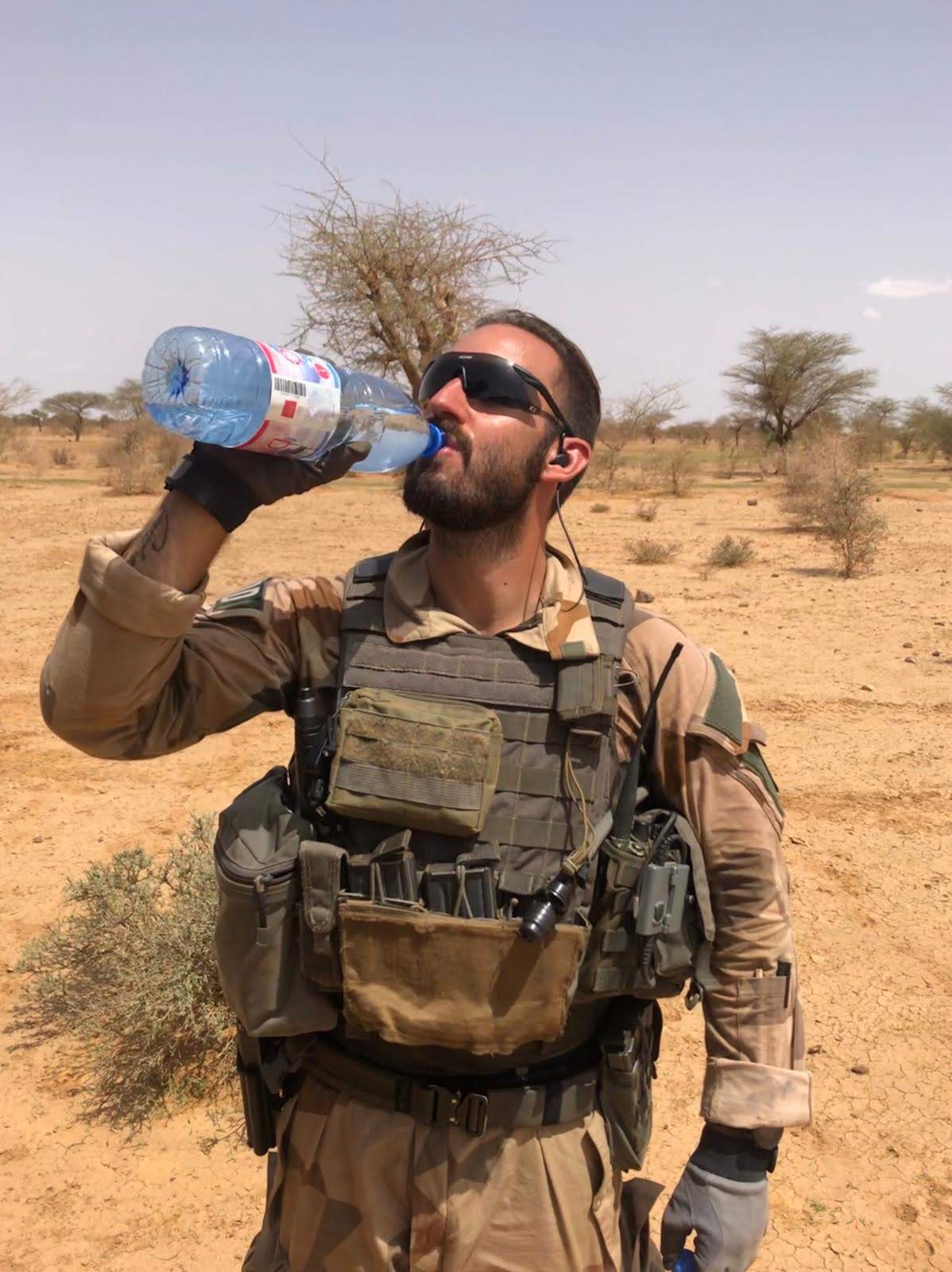
By treating it as information. Gabriel completed a hundred-mile race to discover his limits, then realised that success only proved he could finish; it did not reveal where the boundary was.
Military culture can make failure feel final, particularly in high-consequence roles. Civilian growth often requires safer experiments, imperfect attempts and the willingness to adjust.
The will to succeed matters, but curiosity about failure can expose whether the goal, system or preparation needs to change.
“When nobody gives you the mission, your first mission is to build a life capable of carrying the person you want to become.”
Why are relationships part of resilience?
Because a strong life cannot be measured only through output. Gabriel points out that people rarely reach the end wishing they had spent more time working for a particular company; they value the relationships they created.
Connection should therefore be trained deliberately. Make time for conversations, shared challenges and communities where people notice when you disappear.
Veterans often miss the effortless proximity of military friendships. Civilian belonging requires more intention, but it can become equally real.
How can military experience become a new civilian purpose?
Gabriel had long wanted to take the strongest lessons from military service and make them useful to civilians without reproducing its worst features.
His work in mental resilience grew from his own struggle with lost structure. That gives the mission credibility: he is not teaching invulnerability but the systems that helped him rebuild.
Purpose often emerges where personal experience meets a problem other people also need help solving.
What should a veteran do when motivation has disappeared?
Reduce the size of the first step. Re-establish sleep, movement, nutrition and contact with other people. Create one task that can be completed today and one appointment that introduces accountability.
Do not wait to feel like the military version of yourself. That identity existed inside a different environment. Build evidence that the civilian version can act, adapt and recover.
Small repeated wins create trust in yourself; honest failures show where the system must improve.
Final Thought
Gabriel von Knorring’s transition shows that military toughness and civilian self-leadership are related but not identical. One is reinforced by an institution; the other must be built from chosen values and repeatable behaviour.
The objective is not to recreate military control. It is to recover agency, relationships and a reason to test what is possible.
If the Army no longer sets your mission, what structure would help you become the person your next purpose requires?