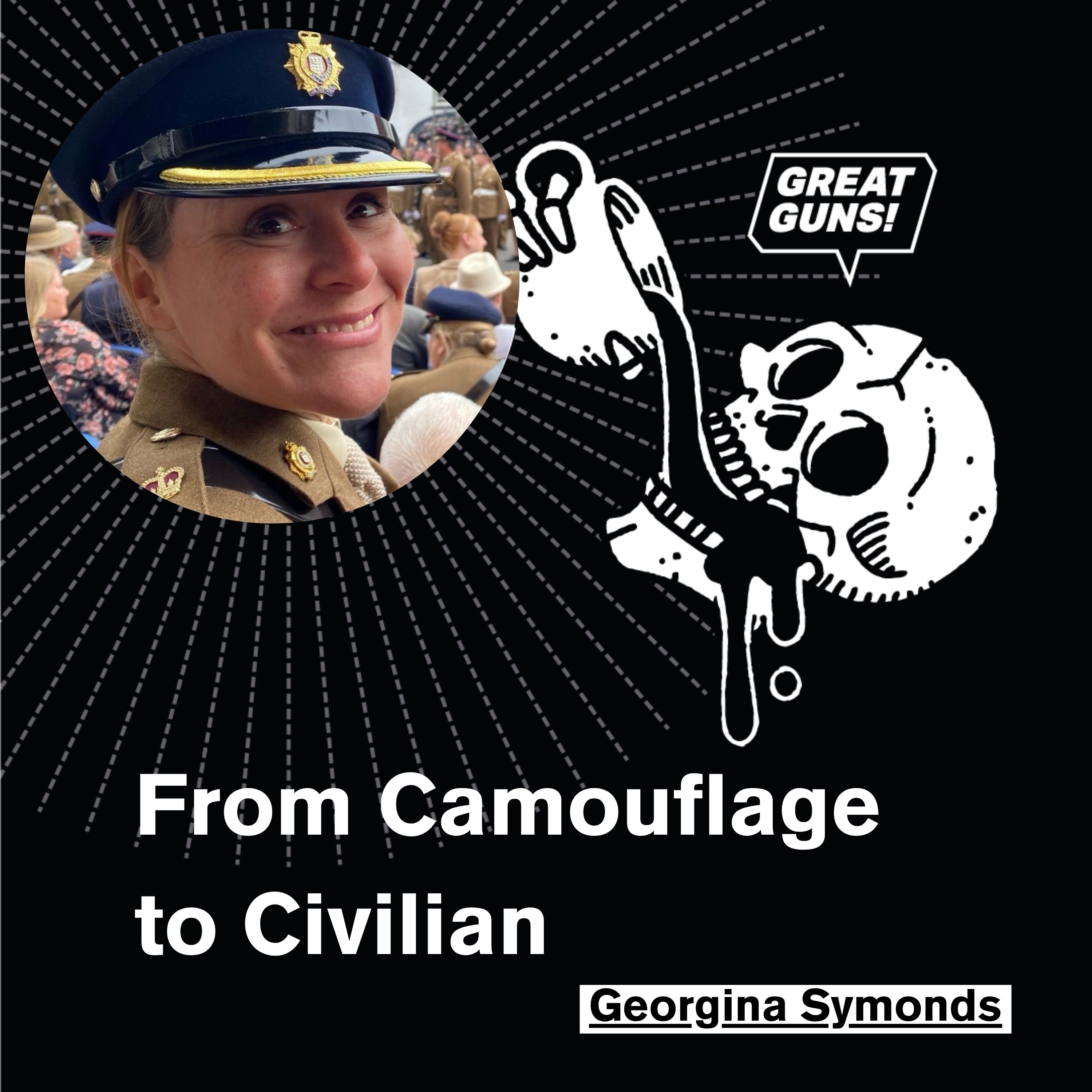
How Do You Replace the Identity, Routine and Tribe the Army Gave You?
Georgina Symonds on preparing for transition, staying connected and building a life beyond full-time service
Leaving the Army is not simply a change of employer. It is the loss of a familiar identity, routine, language and family — unless you begin building their replacements before your final day.
Georgina Symonds knows that transition can take more than one form. After a long Regular Army career, she moved first into full-time reserve service and then into a part-time Reserve role, while building an HR consultancy and continuing to support military families.
Her experience makes one point clear: a strong transition is not only about finding work. It is about creating a civilian life with people, structure and purpose already in it.
Why is military transition more than finding a job?
Because employment replaces an income, but it does not automatically replace belonging. Georgina describes the Army as a comfort blanket: you know the people, the acronyms, the uniform and how the whole system works.
Outside that system, even capable people can experience imposter syndrome. The questions feel basic, the language is unfamiliar and the support that once surrounded the whole family is no longer on call.
That is why a technically successful resettlement can still feel emotionally disorientating. The practical plan matters, but so does the human experience of no longer being part of the institution that shaped you.
What does the uniform give you beyond status?
It gives you a ready-made answer to who you are and where you belong. Georgina recalls a conversation about identity in the Army and recognises how easily the role becomes the person.
Rank, unit, routine and responsibility provide visible evidence of value. When those markers disappear, the civilian world may not immediately reflect back the same competence or importance.
The task is not to erase military identity. It is to widen it. Veteran, parent, neighbour, business owner, volunteer, teammate and mentor can all become part of a more resilient answer to the question: who am I now?
When should you start building a civilian life?
Before you leave. Georgina’s advice is to become embedded in the community you are moving into as early as possible.
Join the gym, running club, sports team, professional network or local group while the Army still provides a stable base. Keep family routines and exercise in the diary. Treat transition activity as a real commitment, not something squeezed into whatever time remains.
Those connections may appear small, but they matter when colleagues deploy, friends move away and the working week no longer supplies automatic contact. Civilian belonging is built through repeated presence.
Can the Army Reserve provide a bridge after Regular service?
For some people, yes. Georgina moved without a break from Regular service into full-time reserve service, then later into a part-time role.
That route preserved connection, service and familiar values while giving her more control around family life, including the needs of her disabled daughter and her other daughter’s sport.
She encourages people who still enjoy service to explore the Reserve before leaving, because the transfer can be easier while they are still serving. It is not the right answer for everyone, but it can turn an abrupt ending into a gradual reshaping of identity.
Why must wellbeing sit at the centre of resettlement?
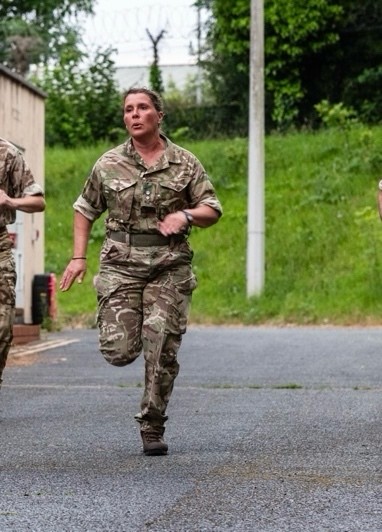
Because anxiety makes every practical task harder. Georgina argues that welfare and mental-health support are not secondary to the CV, course or job search; they make it possible to engage with those things properly.
People leaving unexpectedly through injury, discipline or circumstances outside their control may not have the emotional space to follow a neat transition plan. They need early conversations, appropriate support and permission to say what is actually happening.
Military culture trains people to get on with it. During transition, that strength can become silence. Asking for help is not failing the process; it is part of owning it.
What responsibility do military leaders have?
Leaders must remember the human cost behind the administrative process. Georgina has seen how operational pressure, staffing gaps and welfare demands can consume a manager’s attention until months have passed.
For the individual, leaving is the biggest event in the room. For the organisation, it can become one task among many. Good leadership closes that gap through regular conversations, protected resettlement time and genuine interest in the person’s future.
Service leavers also need to be vocal. Be clear about courses, appointments and the support you require. Continue doing your job, but do not sacrifice the work of preparing for life after it.
“Do not wait until you hand in your kit to discover who your people are, what your week looks like and where your sense of purpose will come from.”
How can helping others become a new WHY?
Georgina’s post-Regular life is not a retreat from service. She supports the Troopr community platform, works through her HR consultancy and contributes to Army carers because those needs are personal to her.
She even acknowledges that if she stopped helping people in that space, she would feel lost. That is purpose in practice: not recreating the old role, but carrying its deepest value into a new setting.
The strongest veteran transitions often follow that pattern. The uniform changes. The mission to guide, protect, connect or lead remains.
Final Thought
Georgina Symonds shows that transition can be designed as a bridge rather than experienced as a cliff edge.
Work matters, but so do routine, wellbeing, family, community and continued service. Build those foundations early and the next chapter becomes more than a job search; it becomes a life you already recognise as your own.
What can you put in place now so that, when the uniform comes off, identity, belonging and purpose do not disappear with it?
Listen to the episode > Full Episode