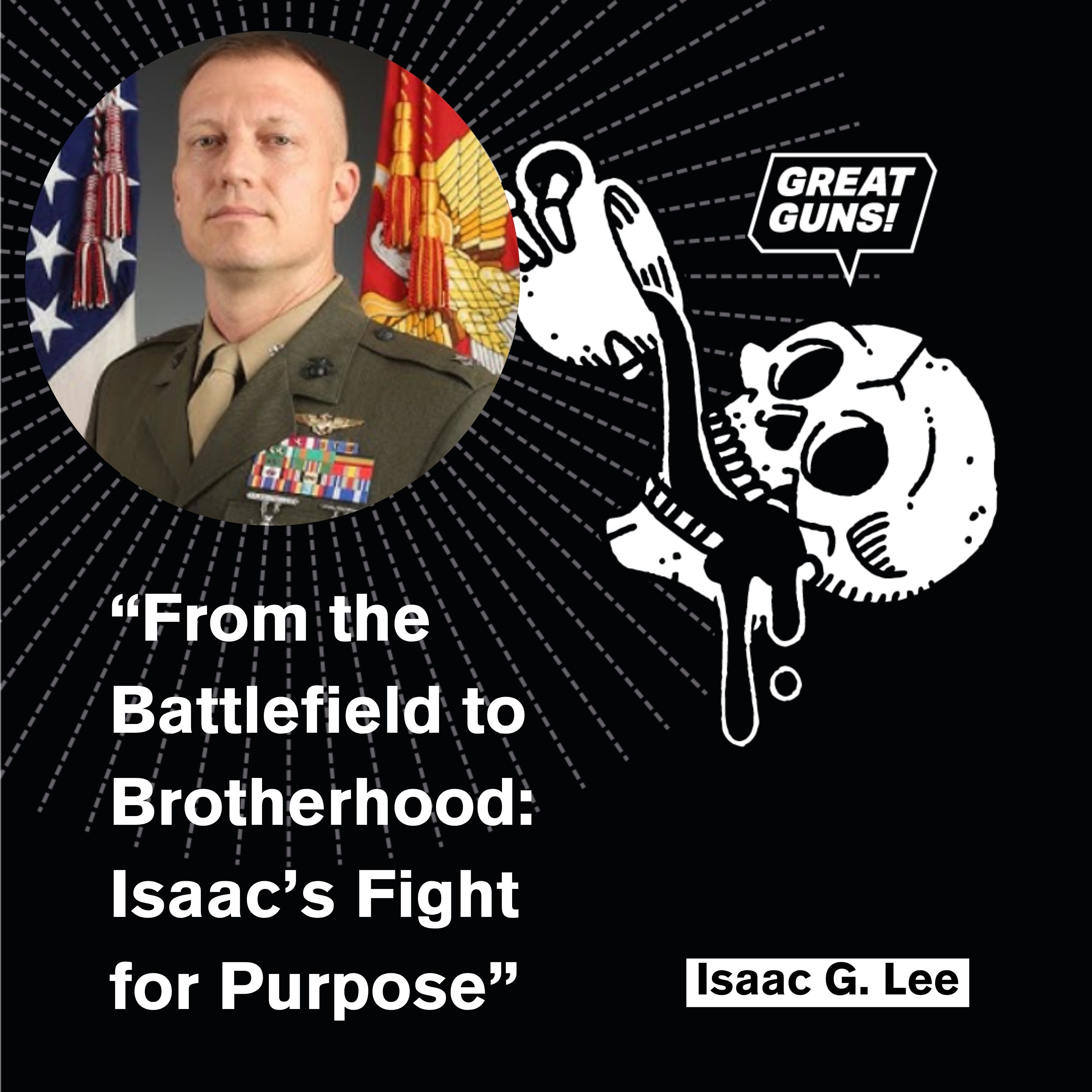
Why Should Veterans Look for a Situation, Not Just a Job?
Isaac G Lee on emotional recovery, community and finding work that fits who you are becoming
A successful military transition is not simply the moment a veteran secures employment. It is the longer process of understanding who they became in service, what they now need and where their strengths can create meaningful value.
Isaac G Lee spent 20 years in the United States Marine Corps, flying CH-53E helicopters and ultimately commanding a squadron. He began preparing a year before retirement, but his plan addressed more than income. He also sought counselling because he knew that the person combat had required him to become might struggle in ordinary life.
His most useful career insight followed: do not search only for a job. Search for the right situation.
Why is a job not enough after military service?
Because employment can pay the bills without answering the deeper transition questions. Isaac had a family to support, so income mattered. Yet he also needed an environment where his way of leading, solving problems and developing people would be useful.
An endless list of job titles felt overwhelming. The breakthrough came when he defined the situation in which he could thrive: a small or medium-sized organisation trying to grow, with operational problems he could help solve while learning the business.
That reframed the search. Instead of asking which title sounded equivalent to Lieutenant Colonel, he asked where his strengths would have practical impact.
Veterans can use the same approach. Define the people, pace, problems, values and degree of responsibility that bring out your best. The right role becomes easier to recognise once the right environment is clear.
What identity does combat create?
Combat can create exactly the person needed for the mission — and a person who later finds peace difficult. Isaac describes becoming emotionally numb and increasingly drawn to dangerous flying. That state helped him function, protect others and execute under pressure.
At home, however, emotional distance affected connection with his wife and family. He could move between operational and domestic locations, but not simply switch his internal state on and off.
This is why transition must include more than professional preparation. The nervous system, relationships and emotional life also need time and attention.
Isaac’s decision to seek counselling before leaving was not an admission that his service identity was wrong. It was an acknowledgement that a survival identity might need help adapting to a different environment.
Can feeling emotion again be a form of progress?
Yes. For somebody who has relied on numbness, both positive and negative emotion can signal reconnection.
Isaac still notices himself returning to “robot mode” during extended stress. The difference today is awareness. He can pause, breathe and choose how to respond rather than allowing an old operational setting to take permanent control.
Veterans often judge recovery by whether difficult feelings have disappeared. A more useful measure may be flexibility: Can you notice what is happening? Can you feel without becoming overwhelmed? Can you connect with the people around you and seek support when needed?
The aim is not to erase the military self. It is to expand the range of ways you can live.
Why does storytelling help rebuild belonging?
Because honest stories give other people language for experiences they cannot explain. Isaac kept journals throughout his career, initially because he wanted to remember the detail and humour of military life.
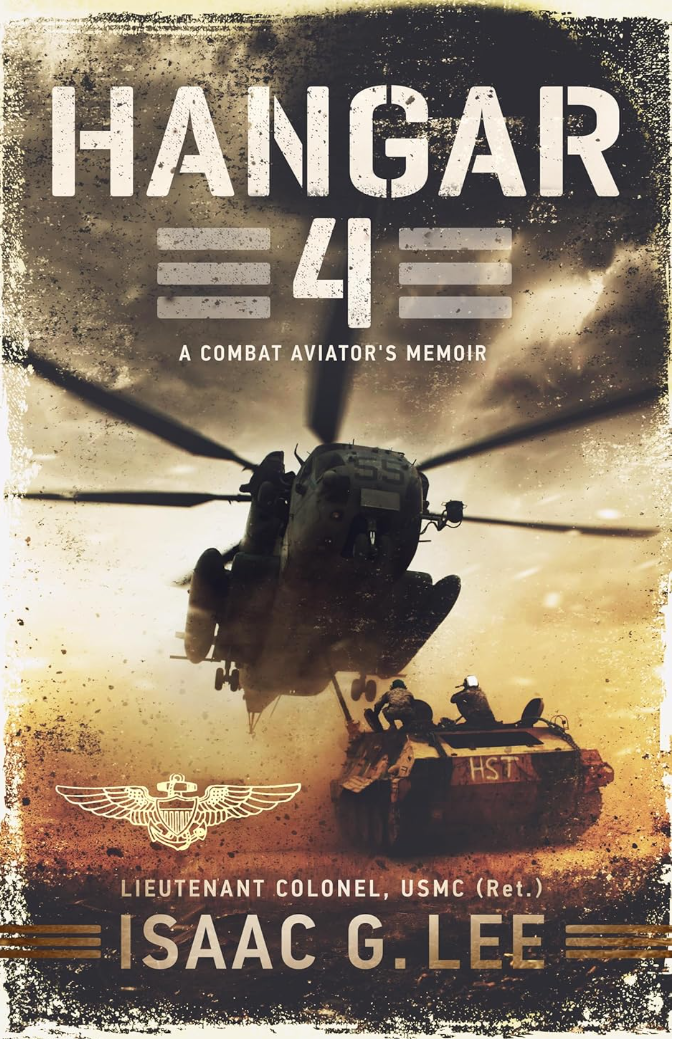
Years after retirement, he saw peers struggling with employment, relationships and substance misuse. He returned to those journals and wrote his memoir, Hangar 4, with deliberate honesty.
The response revealed a wider purpose. Service members could give the book to spouses when conversation felt impossible. Spouses said it helped them understand the person they loved.
A story can become a bridge between communities: the veteran who lived the experience, the family who lived beside it and the civilian world trying to understand both.
Why is networking really about community?
Because transition requires trusted guides into unfamiliar cultures. Military units differ, but they share a recognisable framework. Civilian organisations can feel like a kaleidoscope of expectations, language and behaviour.
Networking helped Isaac learn those cultures and find the right situation. It was uncomfortable because military culture had taught him to do the work rather than sell himself.
Seen differently, networking is not self-promotion. It is reconnaissance and relationship. It allows veterans to learn, ask for perspective and meet people willing to open a door.
The military community remains valuable here. Former colleagues understand the leap and can offer introductions, reassurance and honest warnings. The key is being willing to ask.
“Do not search only for a title that matches your past. Find a situation that needs the person you are becoming.”
What can a veteran’s new WHY look like?
It can be the same instinct expressed at a safer, more sustainable scale. Isaac’s military mission centred on supporting Marines on the ground and developing the people around him. In civilian operations and consulting, he still helps people and organisations perform better.
Writing extended that purpose again. Leadership became not only directing a unit or improving a process, but telling the truth in a way that helps families reconnect.
Purpose after service is rarely invented from nothing. It is often recognised as a thread running through apparently different roles.
Final Thought
Veteran transition is both external and internal. It means finding income and community, but also learning how to live beyond the emotional settings that service once demanded.
Isaac G Lee prepared early, sought help, found a civilian environment that suited his strengths and used his story to support others. None of those actions rejected his Marine identity. Together, they allowed it to mature into something broader.
What situation would let your experience serve people now — while also giving you room to become fully human again?
Listen to the episode > Full Episode