Why Does Brotherhood Matter Most After the Fighting Stops?
Jeff Bodell on abrupt transition, hidden combat stress and the responsibility to keep reaching back towards the people who served beside us
The return from combat can happen faster than the mind can follow. A person may move from danger, intensity and total reliance on a team to classrooms, workplaces and ordinary conversations within weeks.
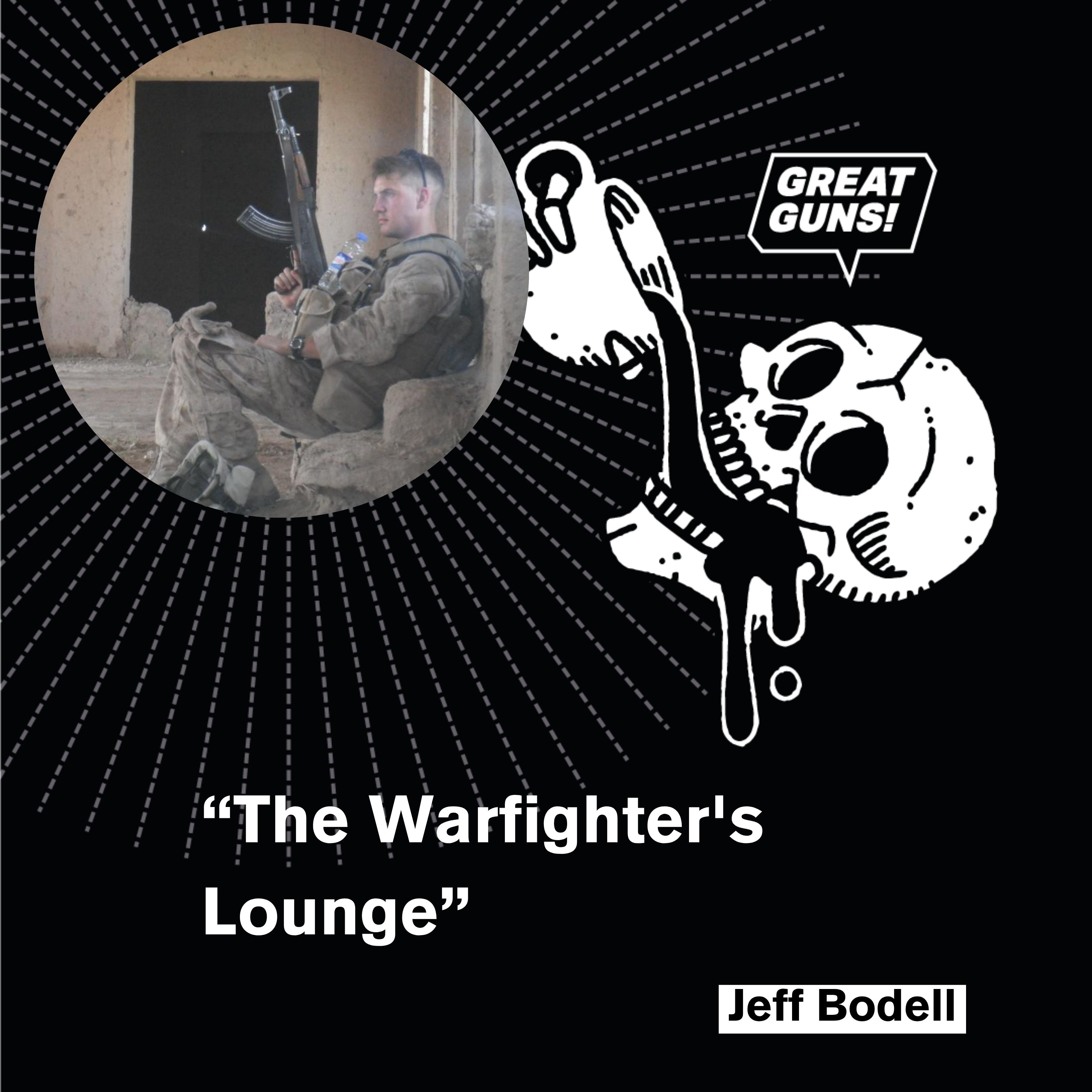
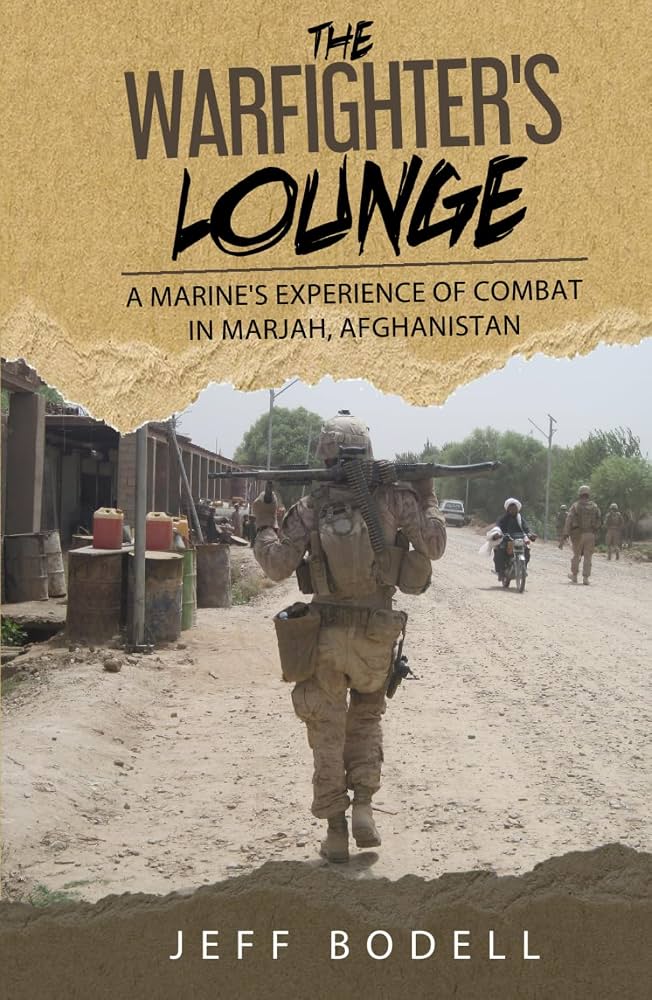
Jeff Bodell served as a US Marine reservist and deployed to Afghanistan. His transition back to civilian life was abrupt: three days with his unit, several months without reporting and then a return to university while still carrying experiences he had not begun to process.
His story is not about weakness after war. It is about what happens when brotherhood is removed at the moment it is most needed.
Why can reservist transition be particularly abrupt?
Because the unit may disperse quickly. Active-duty personnel often return to a familiar base and continue living alongside people who shared the deployment. Reservists can go directly back to civilian families, jobs and communities.
Jeff initially believed distance from the Marine Corps would help. Looking back, he wishes he had stayed with his people longer and allowed their shared understanding to support him.
The physical journey home was complete, but the psychological transition had barely begun.
Why can ordinary civilian life feel alien after combat?
Because perspective has changed. Jeff remembers sitting in a university class listening to students discuss the difficulty of transporting beer to a party shortly after he had faced lethal danger.
Their concerns were normal for their lives, but he no longer felt located in the same reality. Anger and disgust filled the gap where explanation and connection were missing.
This does not make civilians shallow or veterans superior. It shows why transition requires spaces where the veteran does not have to minimise or translate everything they have experienced.
What happens when distress is treated as disloyalty?
People hide it. Jeff describes a military culture in which admitting mental-health difficulty could be interpreted as lacking commitment to the mission.
He later learnt that people living and fighting beside him had also struggled with sleeplessness, fear and other symptoms without speaking about them. Shared silence created the impression that everybody else was coping.
Operational compartmentalisation may keep somebody functioning temporarily. It becomes dangerous when it remains the only strategy after the operation ends.
How can unhealthy coping delay recovery?
Alcohol, isolation and constant distraction can numb symptoms without resolving them. Jeff spent a difficult period drinking, withdrawing and trying to force himself through education while experiencing PTSD and depression.
Recovery began through recognising what was happening and accepting that support was necessary. Professional help and peer connection are not competing options; many veterans need both.
The aim is not to forget. It is to build a life in which memory no longer controls every present decision.
“We looked after one another on the battlefield. That responsibility does not expire when the uniform comes off.”
Why should veterans contact former colleagues even when everything seems fine?
Because the person who appears fine may be carrying something privately. Jeff deliberately called former colleagues before the interview to ask how they were and tell them he loved them.
His unit had lost a fellow Marine to suicide. That loss reinforced the need to make contact before concern becomes certainty and before silence becomes permanent.
A message does not need to be sophisticated: How are you really doing? I was thinking about you. Can we talk? Small contact can reopen belonging.
How can veterans rebuild brotherhood beyond the original unit?
Keep the old relationships active, but do not make them carry the entire future. Veteran groups, sport, volunteering, family, work teams and local communities can create additional places to belong.
Brotherhood after service is not limited to reliving the past. It can be built through shared responsibility in the present — parenting, coaching, community work or helping another veteran navigate a difficult year.
The common element is being known, needed and noticed.
What should leaders learn from Jeff’s experience?
Reintegration should not end with transport home and administrative processing. Teams need time, honest conversations and repeated access to support.
Leaders must model that mental-health care is compatible with courage and professionalism. The people who carried the greatest responsibility may find it hardest to admit that the mission affected them.
Transition support is most effective when it protects both the individual and their relationships.
Final Thought
Jeff Bodell’s experience shows why veteran transition cannot be reduced to employment or education. A person can be enrolled, working and outwardly functioning while remaining profoundly disconnected.
The route forward begins with truth, support and renewed brotherhood. Nobody should have to earn the right to be contacted by first reaching crisis. Which former colleague have you been meaning to call — and what is stopping you from making that call today?