How Do You Build a Life of Purpose Before You Leave the Marines?
Jim Oakley on planning early, creating opportunity and carrying adventure into civilian life
The strongest military transitions often begin years before the final day in uniform. They start when somebody notices what gives them energy, builds civilian credibility and creates relationships beyond their immediate role.
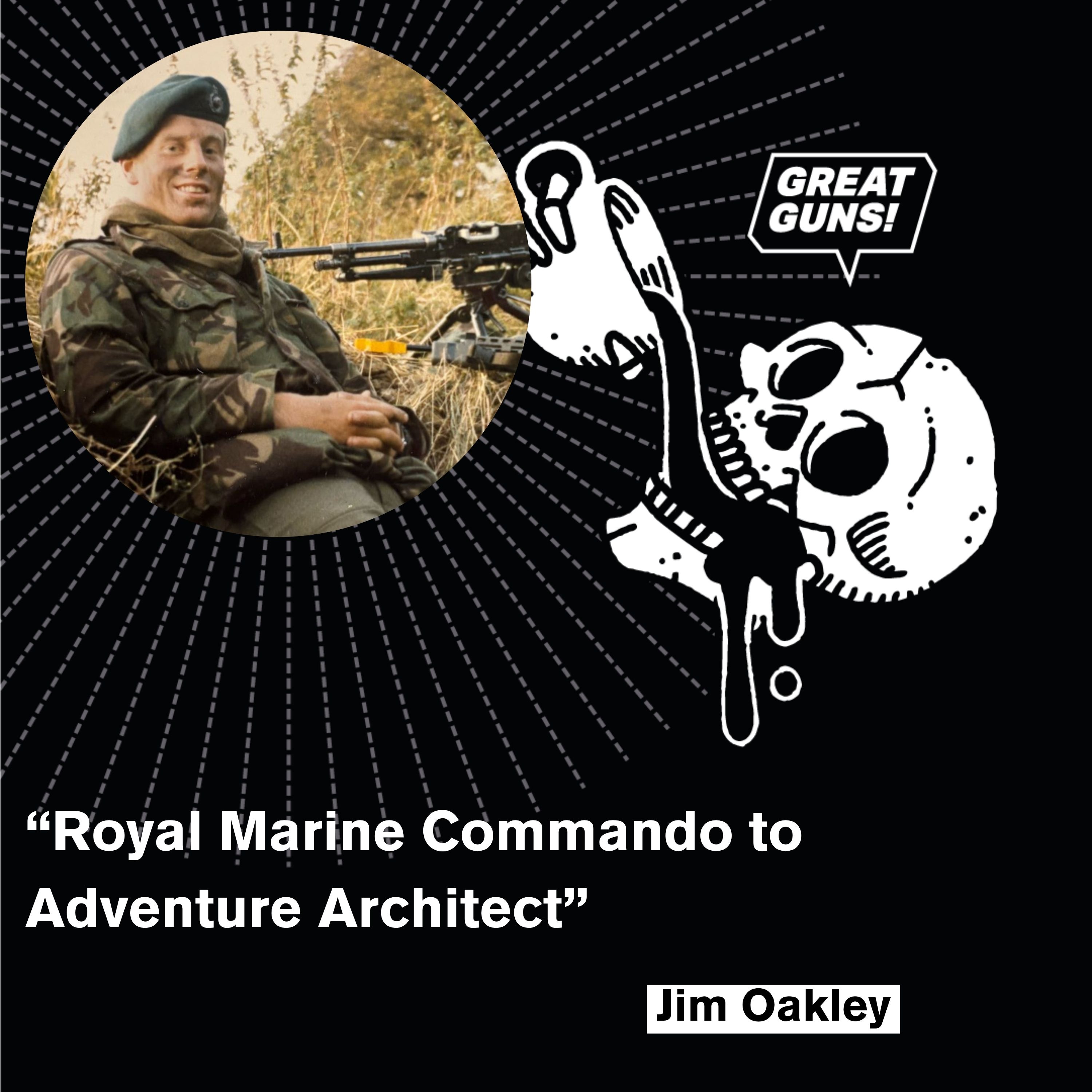
Jim Oakley served 23 years in the Royal Marines, much of it as a physical training instructor. He organised adventurous training, gained outdoor qualifications and deliberately prepared for a civilian future long before resettlement formally began.
After service, he built a life around instruction, travel and adventure. His story shows that finding your post-uniform WHY is not always a dramatic reinvention. It can be the careful expansion of a purpose you have already been practising.
Why should transition planning start early?
Because meaningful work often requires more than a short course and a rewritten CV. Jim began thinking seriously about civilian qualifications roughly five years before leaving — and, in practice, had been laying foundations much earlier.
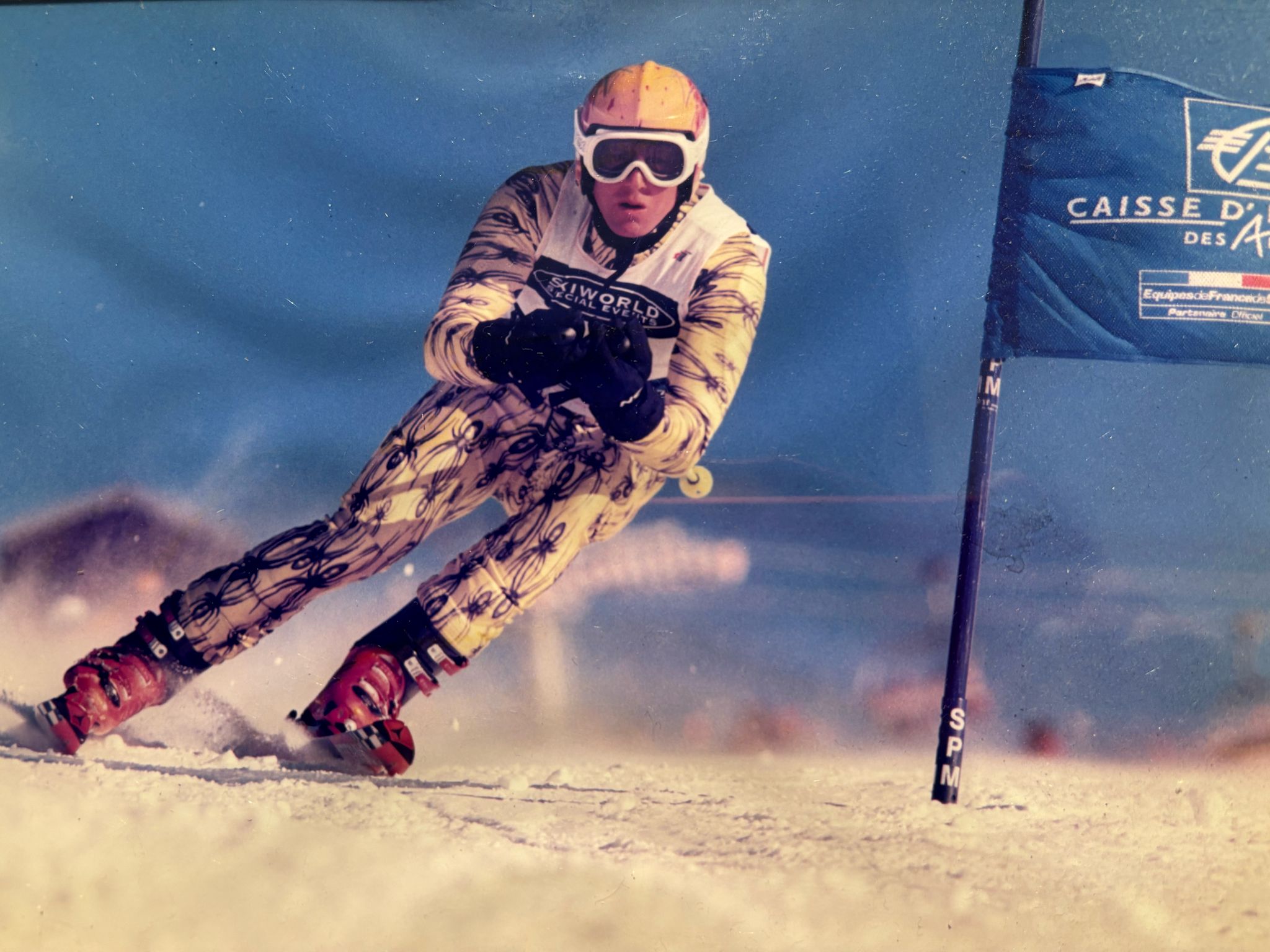
He understood that some military qualifications would not automatically be recognised outside. Where possible, he added civilian equivalents in sailing, climbing, skiing, powerboating and other outdoor disciplines.
That foresight gave him options. He was not waiting for an employer to interpret his service. He was building evidence that the civilian world already understood.
Veterans do not need a perfect five-year plan. They do need time to test interests, close qualification gaps and learn what sustainable work really looks like.
How do you discover the purpose beneath your military role?
Notice the activities you keep creating even when nobody orders you to. Jim repeatedly found opportunities to organise something new: mountain biking, watersports, skiing and adventurous expeditions.
The common thread was not a particular activity. It was helping people enter unfamiliar environments, manage pressure, build confidence and enjoy discovering what they could do.
That was his deeper purpose. The Royal Marines gave it structure and scale, but did not own it.
A useful transition exercise is to look beyond formal achievements and ask: What did people repeatedly come to me for? What problems did I volunteer to solve? Which parts of service made me feel most alive?
Those patterns often point towards a WHY that can survive any change of uniform.
Can failure redirect you towards a better identity?
Yes. Jim once pursued military flying and missed the required mark by one point. The setback did not become a verdict on his ability. It prompted another choice.
Physical training offered variety, leadership, instruction and the chance to develop others. In retrospect, that direction suited him far better and created the foundation for his later life.
Service leavers can feel pressure to protect an identity built around competence. A failed course, missed promotion or rejected application may therefore feel disproportionately personal.
But identity grows through adjustment. A closed route can reveal the values you were actually pursuing underneath it — autonomy, adventure, service, mastery or connection — and lead towards a role that provides more of them.
Why does community matter when building a new path?
Because opportunities grow through people who recognise and support initiative. Jim’s projects required colleagues, participants, senior approval and communities of practice across outdoor sports.
After leaving, his work continued through networks of instructors and clients. As he has stepped back from some assignments, he has been able to delegate work to people he trusts.
This is community as a practical form of transition capital. It creates feedback, credibility, work and companionship. It also protects against the isolation that can follow the loss of a unit.
Veterans should build more than a list of contacts. They should cultivate circles in which they contribute, learn and become known for the civilian value they create.
What can adventurous training teach about civilian transition?
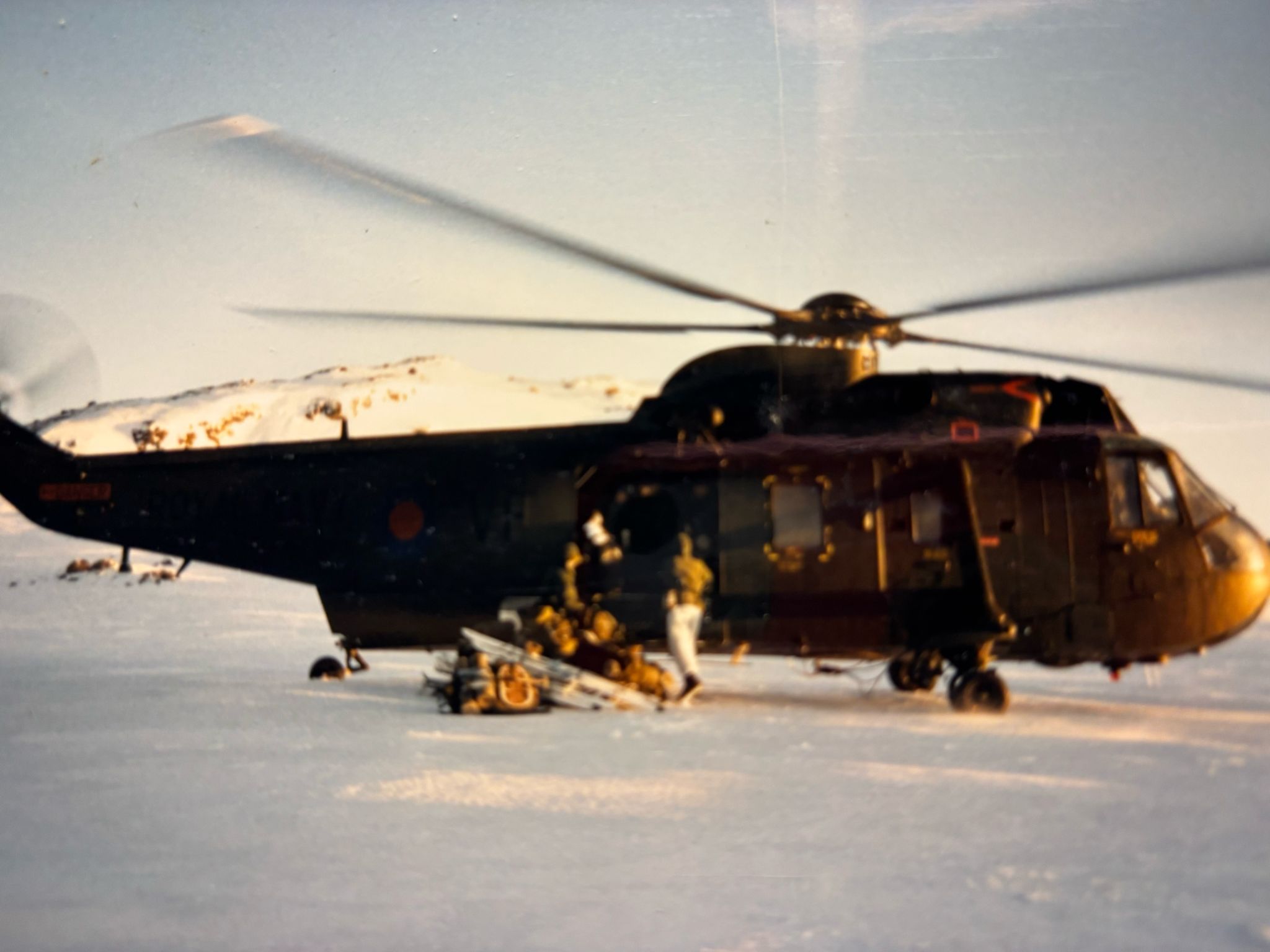
That discomfort is temporary and confidence grows through managed exposure. Jim describes adventurous training as placing people under pressure without live operational danger, allowing them to learn how they respond.
Transition works in a similar way. Networking, studying, interviewing and becoming a beginner can all feel uncertain. The answer is not to avoid discomfort but to enter it in manageable stages with suitable support.
A conversation with somebody in an industry is one stage. A civilian qualification is another. A small paid assignment or volunteer leadership role tests the next.
Each experience produces information and builds a more credible identity. The veteran gradually stops imagining civilian life as an unknown environment and begins operating within it.
“Your next chapter becomes less frightening when you start practising it before the old one ends.”
Is purpose allowed to change as you grow older?
Absolutely. Purpose should support life, not consume it. Jim continues to work, instruct and travel, but he is also simplifying his commitments and delegating more.
His priorities now include freedom, exploration and using time well. That is not a retreat from service. It is a mature definition of enough.
Veterans can replace one rigid identity with another, believing they must keep proving toughness or productivity. Jim’s example offers a different measure: design a life that reflects what matters now.
Purpose may begin as leading from the front. Later, it may mean creating opportunities for others, passing on work and choosing experiences while health and time allow.
Final Thought
A successful transition is not only about landing safely after service. It is about building a civilian life with enough belonging, purpose and freedom that you want to inhabit it.
Jim Oakley prepared early, converted experience into recognised capability and followed the thread of adventure and development into a sustainable career. He did not leave his identity behind. He gave its best qualities more room.
What qualification, relationship or small experiment could you begin now that would make your future self feel less like a stranger?
Listen to the episode > Full Episode