How Do You Turn Military Transition Into a Life Designed on Your Own Terms?
Tim Peakman on planning early, learning through failure and building a post-RAF mission around freedom and impact
A successful military transition is not simply moving from one secure job into another. It is using the safety, time and experience you still have in service to test what you want life to become afterwards.
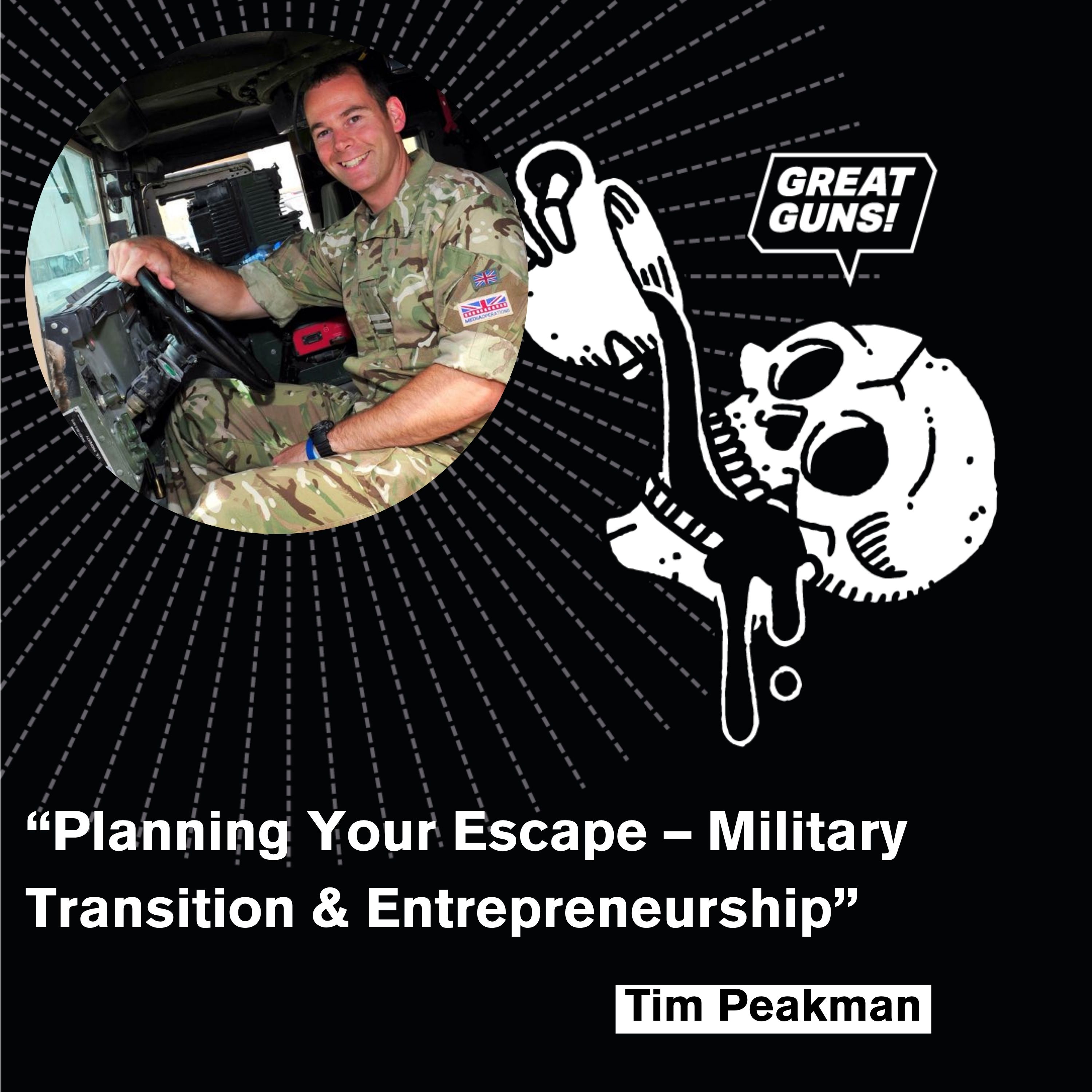
Tim Peakman served for 16 years in the Royal Air Force, first as a physical training instructor and later as a commissioned training officer. He valued the challenge and adventure, but increasingly wanted more agency over where, when and how he worked.
Rather than waiting for his final day, Tim began building an online business while still serving. That gradual approach became the bridge between a structured military career and a civilian life deliberately designed around useful work, family, travel and time freedom.
Why should transition planning begin years before leaving?
Because time reduces pressure and gives you room to learn. Tim began thinking seriously about his next chapter roughly three years before the end of his RAF career.
He spoke to people inside and outside the service, explored different business models and used his final years to build revenue alongside his salary. His goal was not to leap into uncertainty and hope the net appeared; it was to make the sideways step as painless as possible.
Early planning also turns vague ambition into evidence. A small project can show whether you enjoy the work, whether customers value it and which skills you still need before financial pressure becomes immediate.
What should service leavers build before their final day?
Build options, relationships and a tested first step. Tim secured permission to run a side business without affecting his military duties and began selling products online.
The first venture did not need to become his lifelong identity. It gave him practical experience of customers, revenue, technology and self-direction while the RAF still provided a safety net.
That is the real value of starting early. You are not predicting the whole future; you are developing civilian confidence before the old structure disappears.
How do military skills transfer into a completely different career?
They transfer through the underlying capability, not necessarily the original subject. Tim did not remain a physical training instructor, but he continued teaching, designing programmes and helping people improve.
Online business required new technical skills: creating content, recording video, building websites, publishing training and communicating with people he might never meet in person.
The platform changed, but the transferable strengths were already there — instruction, clarity, programme design, discipline and the ability to learn. Veterans often have more continuity than they realise when they stop matching job titles and start identifying value.
Why can freedom feel difficult after military service?
Because freedom removes the structure that once told you what mattered today. In service, expectations, reports and promotion create external pressure. In business, nobody is standing over you — but income and responsibility create a different kind of stress.
Tim found that civilian autonomy had to be supported by intentional routines and clear priorities. Without them, the freedom he wanted could easily become overwork or drift.
Leaving structure does not mean abandoning discipline. It means becoming responsible for designing the structure that supports your chosen life.
What does failure mean in a civilian reinvention?
It means information, not identity. Tim’s current work is his third online business, and each previous success, mistake and pivot helped shape what he now knows.
Military culture can create the belief that a task must be completed perfectly or not attempted. Entrepreneurship demands a different response: you either get the result you wanted or the lesson you needed.
That mindset matters far beyond business. Transition is an experiment in becoming. The first course, role or venture may not be the final answer, but it can still move you towards it.
“Your first civilian plan does not have to be your final identity. Its job is to create evidence, confidence and another option.”

How do you stop your own business becoming another posting?
Design it around the life you want before growth makes every decision for you. Tim became deliberate about working hours, family time, travel and the amount of responsibility he wanted to carry.
He chose to build a one-person business, use evergreen content and focus on a small number of platforms. Bigger teams, constant meetings and endless social-media activity were not the definition of success he wanted.
Veterans can easily replace one demanding institution with a business that owns them. Tim’s approach asks a better question: what level of income, impact and freedom makes this mission sustainable?
Where does purpose appear in Tim Peakman’s story?
It appears in helping other people build work with greater agency. Tim teaches creators and solo entrepreneurs how to share their knowledge, develop digital products and create a business that supports their lives.
His purpose is not simply location freedom or skiing more often. Those are visible outcomes. The deeper mission is showing others that useful work can be built without automatically chasing a large team, status or somebody else’s version of success.
That is post-uniform mission discovery: carrying forward service, training and development while changing the environment in which they are delivered.
What should a veteran do first?
Choose a direction, then speak to people already living it. Tim sought advice from those inside the service and from people operating the businesses he wanted to understand.
Study the model, begin small and learn while your existing income still gives you breathing room. Do not confuse urgency with commitment; a slower, tested transition can require more discipline than a dramatic leap.
Most importantly, define what you are building towards. A new career should not only replace salary. It should support the relationships, freedom, contribution and daily life that make the next chapter worth choosing.
Final Thought
Tim Peakman did not leave the RAF to escape work. He left to take greater ownership of how his work served his life and other people.
His journey shows that transition is strongest when it begins early, welcomes learning and measures success by more than the next job title.
If you could use your remaining time in service to test one part of your future, what would help you leave with options rather than only hope?
Listen to the episode > Full Episode